Phone: (360) 597-4048

Recognizing the beautiful complexities of every child.
Pediatric Therapy and Parent Coaching Services Available
Compassionate Pediatric Therapy in Vancouver, WA
Every child deserves support that sees who they are—not just what they need help with. Our pediatric therapy services in Vancouver, WA, are designed to help children grow, learn, move, communicate, and participate more fully in everyday life.
Prism Pediatric Therapy Associates is a multi-disciplinary therapy practice serving children throughout Vancouver and Clark County. We offer pediatric occupational therapy, pediatric physical therapy, pediatric speech therapy, and parent coaching and consultation services for families.
Prism Pediatric Therapy Associates recognizes the beautiful complexities of every child. We believe children thrive when therapy considers the whole child—and the whole family. That is why our approach is playful, practical, and encouraging from the very first visit.
Therapy That Meets Your Child Where They Are
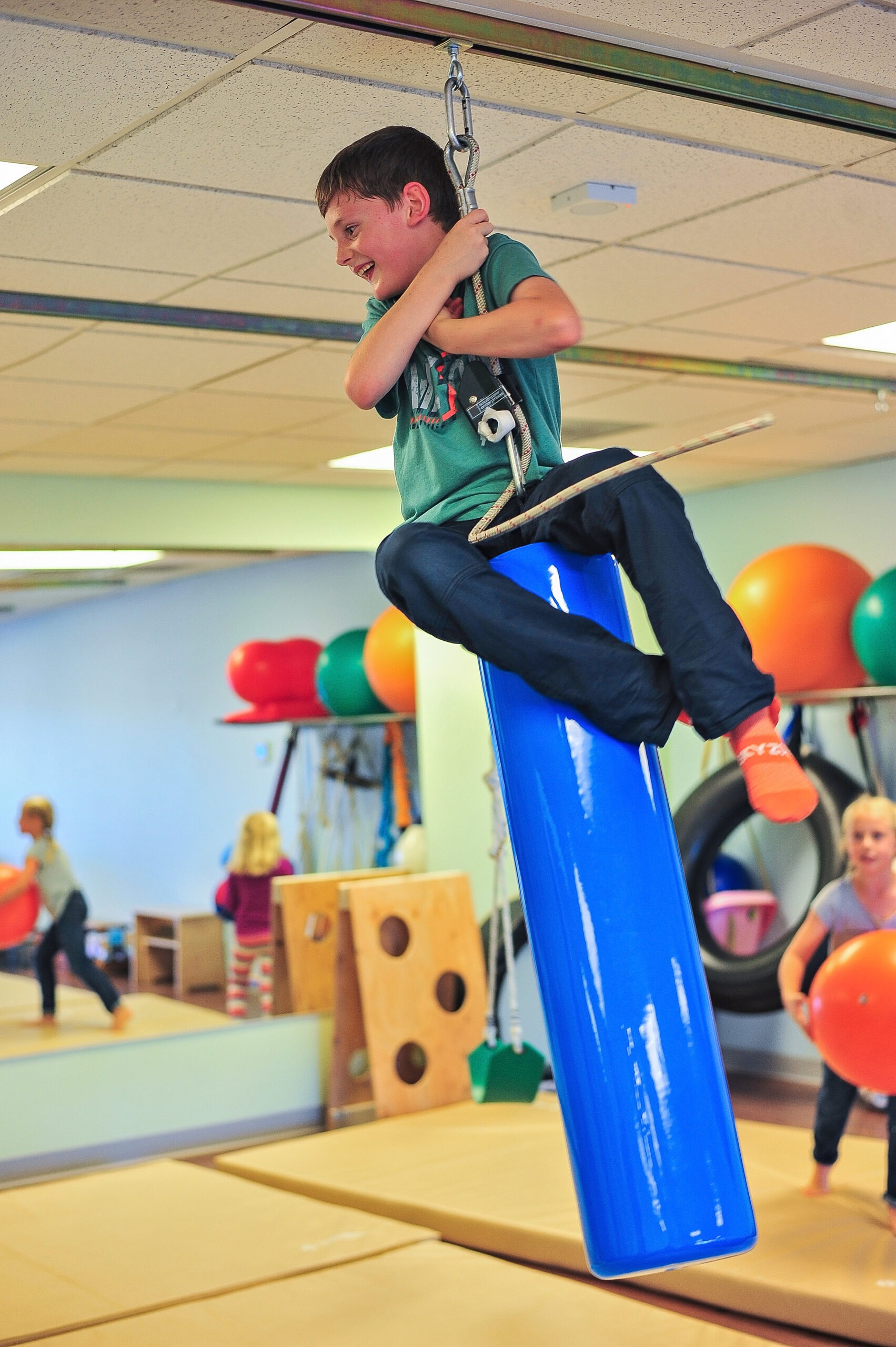
Our expert pediatric therapists serve children ages 0–18 with a wide variety of needs. Whether your child is working on movement, communication, daily living skills, sensory processing, regulation, feeding, or developmental skills, our team provides thoughtful support in a setting designed for real growth.
Ask about our services!
What We Offer

Parent Coaching and Consultation
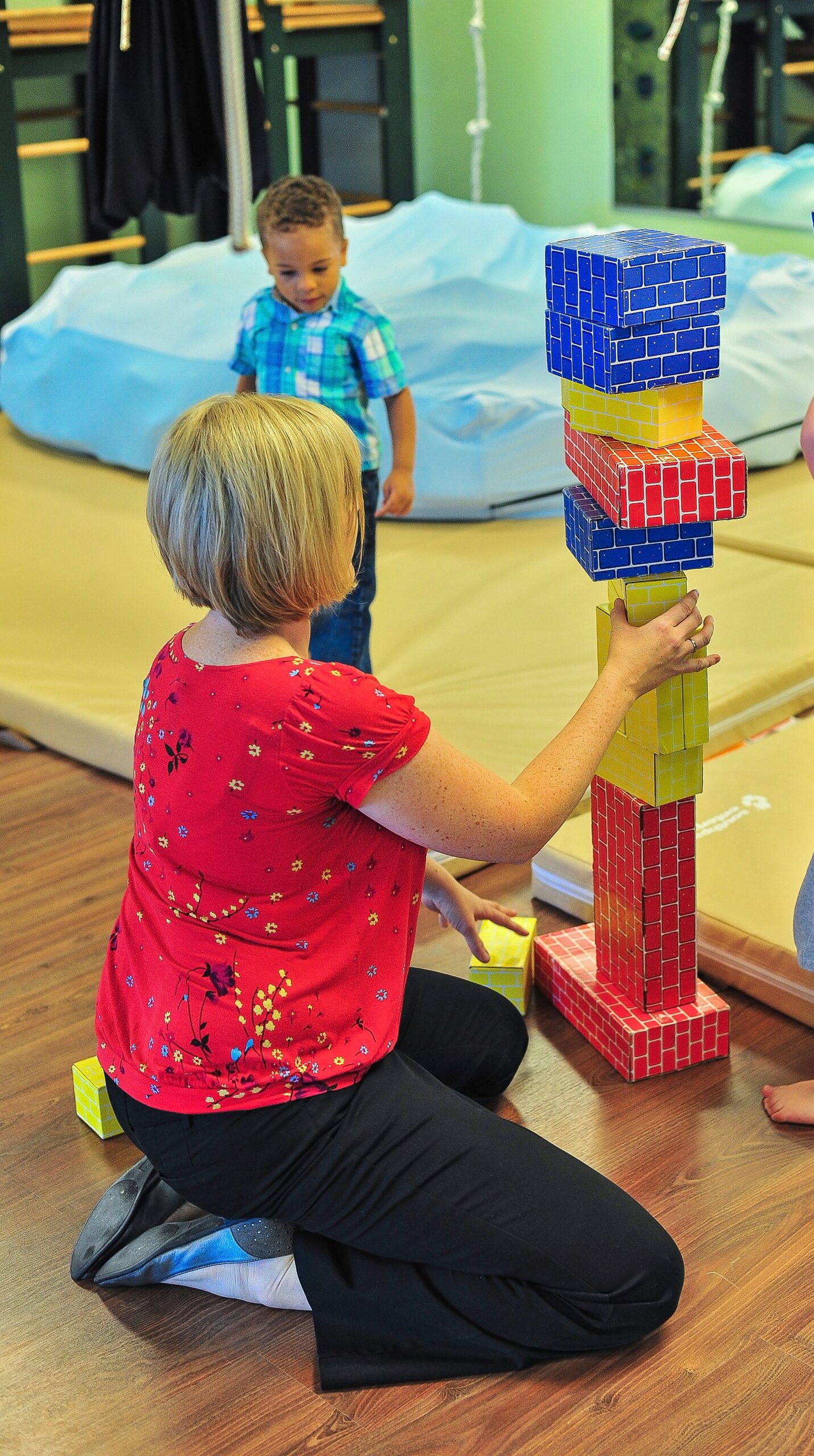
Practical guidance for parents of children with neurodevelopmental differences, with strategies families can use at home.
1:1 Pediatric Therapy
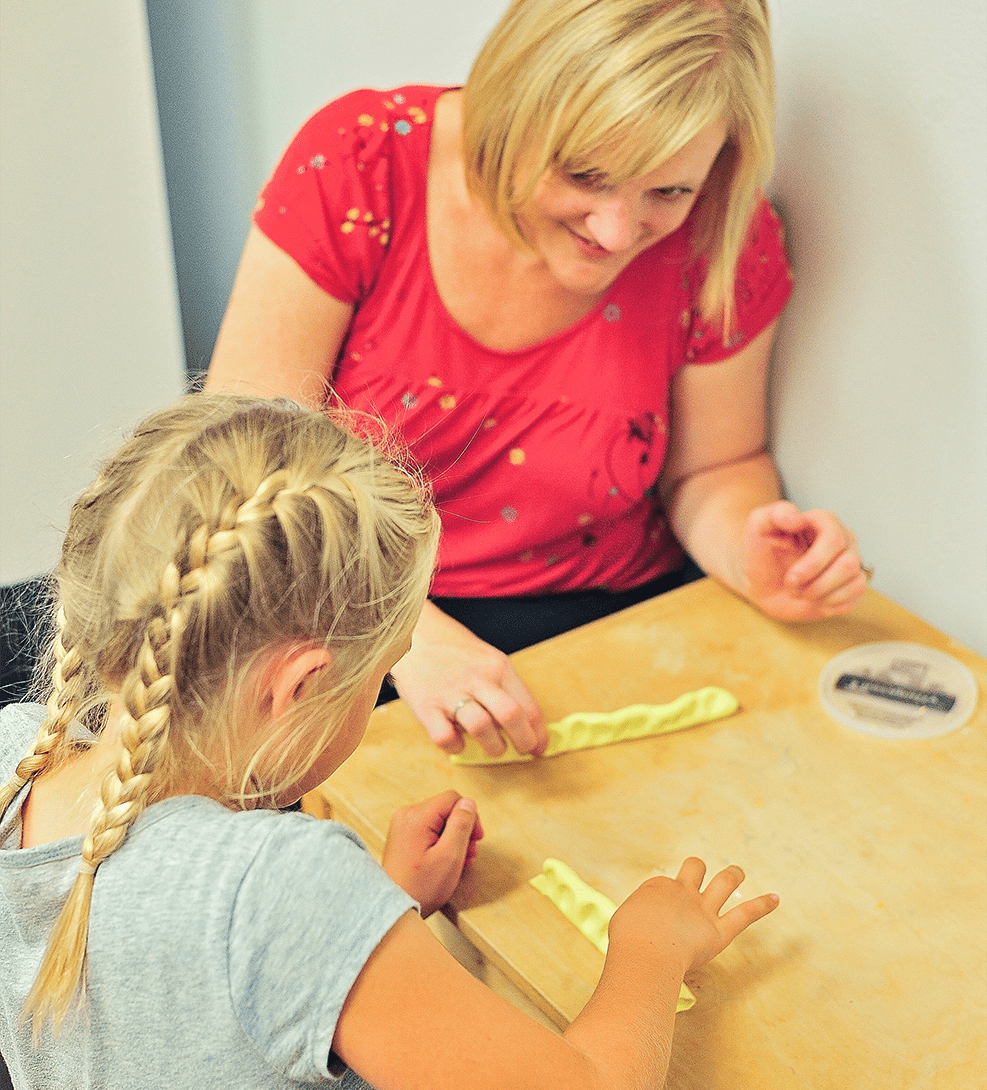
Occupational, physical, and speech therapy tailored to each child and family, with realistic recommendations that fit everyday life.
Playful, Real-World Support
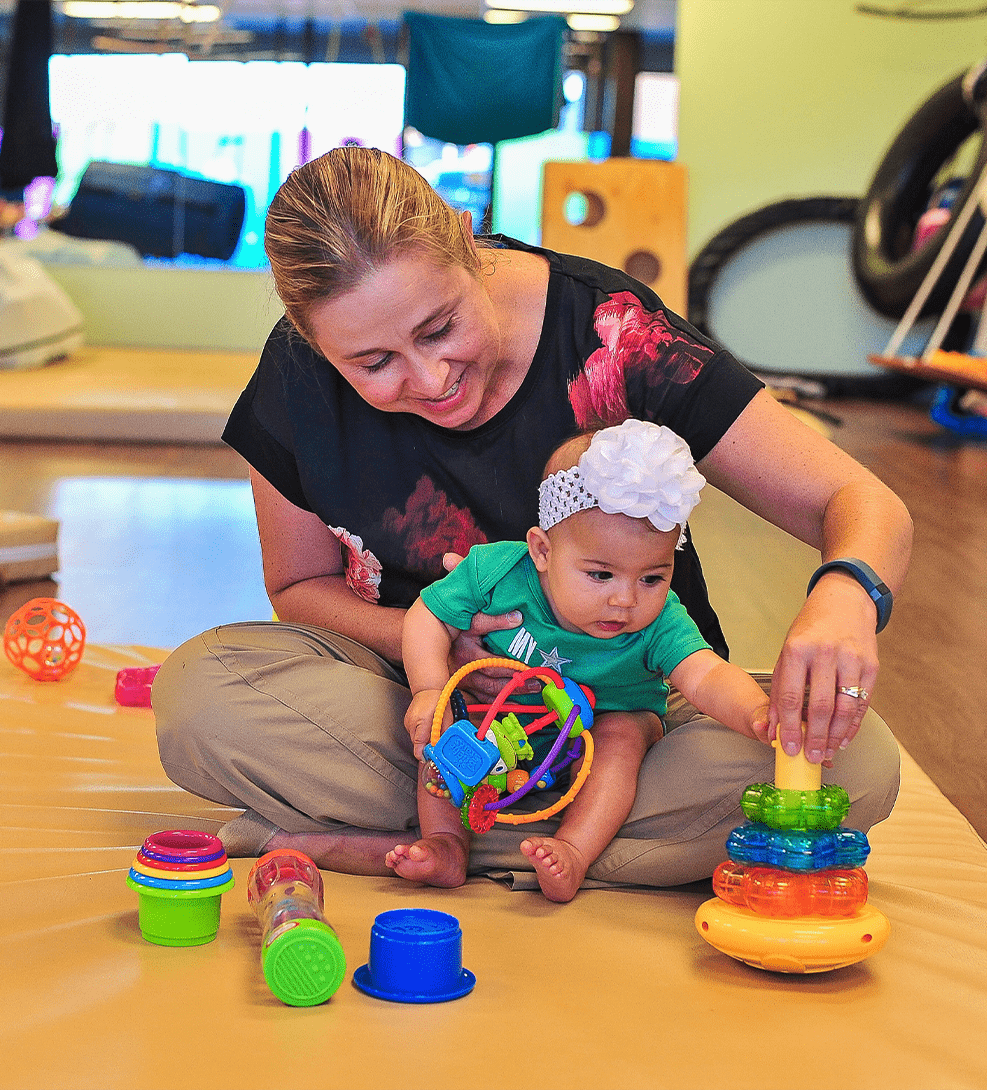
Therapy in fun, engaging environments kids love, designed to build skills that carry into daily routines.
Testimonials
Pediatric Therapy Insights ~ Sensory Regulation Support FAQ
What is sensory processing?
Sensory processing is how our nervous system files, organizes, and responds to our bodies and the world around us. This information provides us with the envelope of where we are and how we relate to the world around us. It helps us to understand what is happening and how we are a part of it; decide what is most important; and respond in ways that allow us to move, learn, and regulate ourselves, so we can do what we need to do and want to do.
How does sensory play help neurodivergent kids?
All children learn about their bodies and the world through sensory experiences. For neurodivergent kids, sensory play may be especially valuable because differences in how their nervous systems process sensory information can affect how they move, explore, learn, and participate in everyday activities. Sensory play provides opportunities to explore movement, touch, balance, and body awareness all while gaining confidence, problem-solving, and providing meaningful fun.
How do I handle my neurodivergent child’s meltdowns?
All children experience moments when their emotions overwhelm their ability to cope. During these moments, thinking clearly, communicating, and managing reactions becomes difficult. For neurodivergent kids, differences in sensory processing, executive functioning, and emotional regulation can make these moments more frequent or intense. When your child is overwhelmed, focus on helping them regain control before expecting them to problem-solve.
- Prioritize safety. Keep everyone safe while remaining calm.
- Reduce demands. Limit talking, questioning, and reasoning.
- Consider sensory overload. Reduce overwhelming noise, lights, or activity when needed.
- Offer co-regulation. Provide a calm presence while respecting your child’s need for closeness or space.
- Return to expectations. Once calm, help your child understand what happened, practice needed skills, and revisit appropriate boundaries.
Remember, not every strong emotional response is a meltdown. Frustration, disappointment, and rejecting boundaries are normal parts of childhood. Understanding why your child is struggling helps you decide whether they need support.
What is a sensory diet and will it help my neurodivergent child?
A sensory diet is an individualized plan of sensory activities incorporated into a child’s daily routine to help support their regulation and their participation in daily activities. Despite its name, a sensory diet has nothing to do with food! It may include movement breaks, physical activity, quiet spaces, or other sensory experiences. All kids benefit from sensory-rich play, but children with sensory processing differences may benefit from more intentional sensory strategies to help them regulate their nervous system. Just remember, not every child needs a sensory diet, and what works for one child may not work for another.